


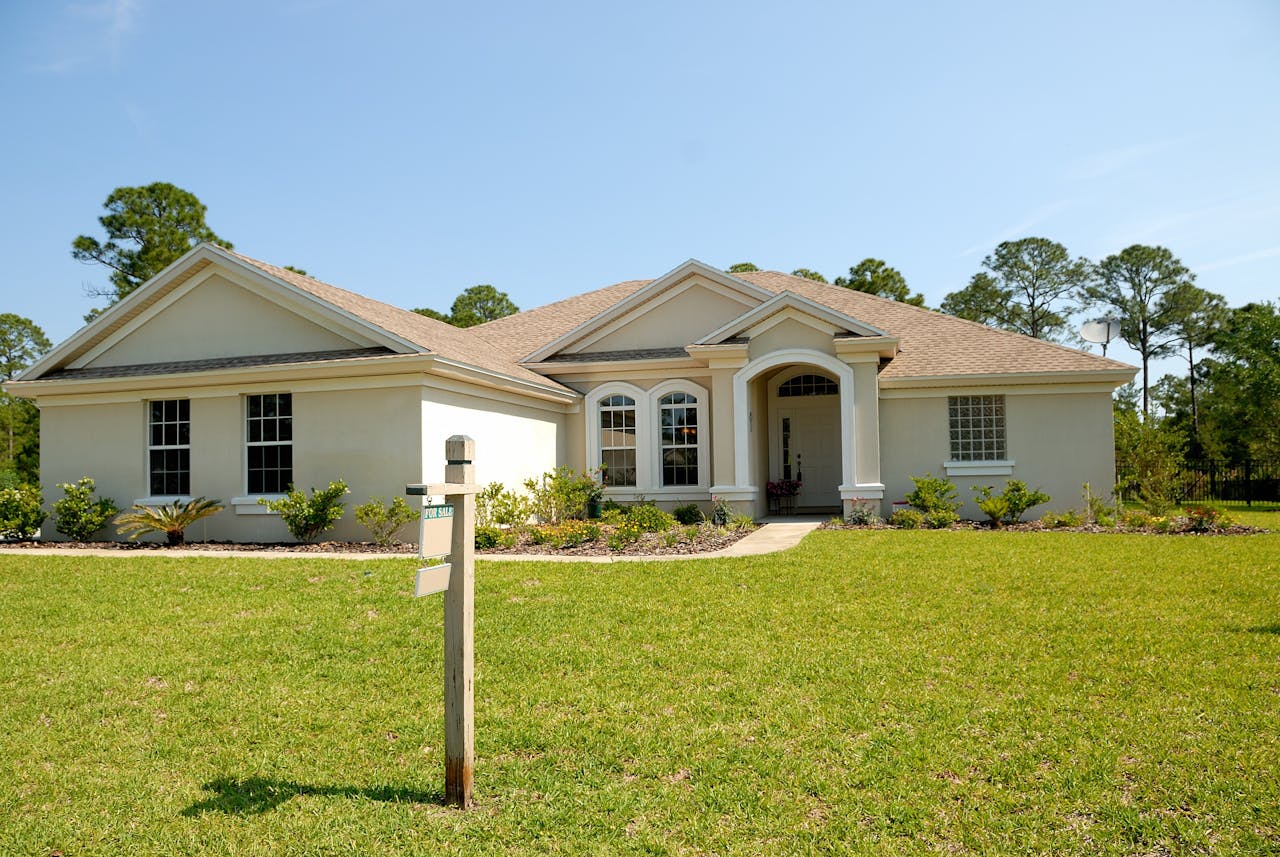
10 Tips on How to Get a Fair Home’s Sale Price
Purchasing a home is one of the biggest financial commitments you’ll make, so ensuring you get the best possible price is essential for both your current budget and future financial stability. Negotiating in real estate can be tricky, but with the right approach and knowledge, you can boost your chances of landing a fair deal.
Whether the housing market is booming or more balanced, it’s vital to ensure you’re not overpaying. But in a competitive market, how can you be sure you’re getting a fair deal before putting in an offer?
1. Compare Similar Homes on the Market
Take the time to visit other homes in the area to get a genuine feel for how their size, condition, and features stack up against the property you’re considering. By comparing the asking prices of similar homes, you can get a clearer picture of what’s fair. Smart sellers understand that to attract buyers, they need to price their homes competitively in line with similar properties.
2. Consider Unsold Comparables
If the house you’re eyeing is priced similarly to homes that didn’t sell, it could be overpriced. Additionally, if there are plenty of similar homes available, prices should generally be lower, especially if many of those homes are sitting vacant. To gauge current supply and demand, check out the unsold inventory index. This tool helps estimate how long it will take to sell all the homes currently listed on the market based on the current sales pace.
3. Review Recent Sale Prices
When evaluating a home, it’s essential to look at recently sold properties that are comparable in size, condition, location, and amenities. For example, a 1,200-square-foot, one-story home with recent updates and an attached garage should be priced similarly to another 1,200-square-foot home in the same neighbourhood with similar features.
However, it’s also helpful to compare the property you’re considering with houses that differ in size and appeal. Is it significantly cheaper than larger or more upscale homes? Or is it priced higher than smaller or less attractive ones?
Your real estate agent is a valuable resource for accessing accurate, up-to-date information on comparable sales, or “comps.” Additionally, you can review homes currently in escrow—those with pending sales but not yet closed—to gauge current market trends. If you’re looking for houses for sale in Inner West Sydney, check out Pilcher Residential, their real estate agents will be happy to help you.
4. Consider Expected Appreciation
Future developments in your chosen neighbourhood can influence home prices. If there are plans for positive growth, such as the construction of a shopping mall, new transit options like light rail, or a major company setting up nearby, it indicates strong potential for property appreciation. Even smaller improvements, like new roads or schools, can be a positive sign.
Conversely, if businesses such as grocery stores or gas stations are closing, it may signal a decline in the area’s desirability, which should be reflected in a lower home price. You may also want to reconsider the location altogether. The construction of new housing could go either way—indicating a high-demand area likely to increase in value or leading to an oversupply of homes, which could drive down prices across the board.
5. Keep Your Budget to Yourself Early On

While transparency is important, revealing your maximum budget too soon can weaken your ability to negotiate. Instead, gather as much information as possible about the seller’s motivations, the property’s history, and the overall market before discussing your financial limits. This way, you can strategize and keep more leverage in your negotiations.
6. Test the Market with Your Offer
Even in a competitive market, it doesn’t hurt to start with an offer below the asking price to gauge the seller’s response. Some sellers list at their lowest acceptable price to avoid negotiations, while others set a higher price with the expectation that buyers will haggle. If your lower offer is accepted or countered quickly, it could indicate that the property wasn’t worth the list price, giving you more confidence in getting a fair deal.
That said, be cautious—some sellers intentionally price their homes below market value to attract multiple offers and ignite a bidding war. Unlike auction platforms, sellers aren’t required to accept the highest bid; they can reject any offer that doesn’t meet their expectations. If you’re serious about the property, be mindful that a lowball offer could backfire, offending the seller and making further negotiations difficult. Additionally, offering below the list price increases your chances of being outbid by another buyer.
Once you’re under contract, the lender will usually require an appraisal to protect their financial interests, ensuring that the home’s value justifies the loan. If the appraisal comes back significantly lower than your offer, it’s a signal that you might be overpaying. In some cases, the lender may not approve the mortgage unless the seller agrees to lower the price.
Additionally, a home inspection conducted after you’ve agreed to buy will reveal if any costly repairs are needed. If major issues are found, you can negotiate for the seller to either fix them or reduce the price so you can address them yourself.
7. Get an Appraisal and Inspection
Once you’re under contract, the lender will usually require an appraisal to ensure the property’s value justifies the loan amount. If the appraisal comes in significantly lower than your offer, it could indicate that the home is overpriced, and the lender might even refuse to approve the mortgage unless the seller lowers the price.
Additionally, a home inspection, conducted after you’re under contract, provides a crucial check on the property’s condition. If the inspection reveals costly repairs, you can negotiate with the seller to either handle the repairs themselves or reduce the purchase price to cover the costs.
8. Consider For-Sale-by-Owner Properties
For-sale-by-owner (FSBO) homes should generally be priced lower to account for the absence of a real estate agent’s commission, which averages around 6%. Many FSBO sellers might not factor this into their pricing or might have opted to sell without an agent due to dissatisfaction or other reasons. This could mean that the property is overpriced compared to similar homes listed with agents.
9. Get Your Agent’s Opinion
Even before diving into detailed data, your real estate agent’s experience can provide valuable insights into whether a property is priced fairly. Their professional intuition, shaped by years in the market, can help you determine a reasonable offer.
10. Assess Your Feelings
Ultimately, if you’re not satisfied with the property, even the best deal won’t feel fair. If you find a home you truly love, paying a bit more than the market value might not bother you as much in the long run.
 12 Ways to Handle Venue Logistics and Coordination for a Smooth Event
Next
12 Ways to Handle Venue Logistics and Coordination for a Smooth Event
Next