


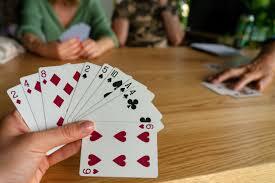
Why Poker Tournaments Attract Millions of Players Worldwide | Online Games
Explore why poker tournaments attract millions globally, from strategy and skill to the excitement of competition in online games.
Introduction
Poker is not just a game—it’s a global phenomenon. Among all online games, poker tournaments stand out for their ability to attract millions of players from every corner of the world. From the small local tournaments to high-stakes international events, the allure of poker lies in its combination of strategy, skill, and the thrill of competition.
Poker tournaments have transformed the way the game is played, moving beyond casual sessions at a Ka Gaming home table or a casino floor. Players now compete in structured events with rules, blind structures, and prize pools that can reach millions of dollars. Understanding why poker tournaments have such universal appeal requires a closer look at their history, structure, psychology, and the unique excitement they offer.
A Brief History of Poker Tournaments
Poker tournaments have a rich and storied history. The first recorded tournament was held in the early 1970s with the creation of the World Series of Poker (WSOP) in Las Vegas. Initially a small gathering of players, the WSOP has grown into the most prestigious poker event in the world, attracting professionals and amateurs alike.
Over the decades, poker tournaments have expanded globally. Countries in Europe, Asia, and South America now host major events, and the rise of online games has made participation accessible to anyone with an internet connection. Today, millions of players enter online qualifiers, satellite tournaments, and major championship events each year.
Structure of Poker Tournaments
Poker tournaments are structured differently from cash games, which makes them exciting and appealing. Some key features include:
- Buy-Ins and Prize Pools: Players pay an entry fee (buy-in), which contributes to the total prize pool. This creates stakes and rewards proportionate to skill and luck.
- Blind Structures: Blinds increase at set intervals, adding pressure and encouraging strategic play.
- Elimination Format: Players are eliminated when they lose all their chips, which increases tension as the tournament progresses.
- Levels and Rounds: Tournaments often have multiple levels, with early rounds providing room for learning and later rounds offering high-stakes competition.
These elements combine to make poker tournaments not only a test of skill but also an endurance challenge.
Why Poker Tournaments Are So Popular
Several factors contribute to the massive popularity of poker tournaments worldwide.
1. The Thrill of Competition
Poker tournaments are inherently competitive. Every decision—whether to fold, call, or raise—can impact a player’s success. This competitive atmosphere appeals to players who thrive on strategy and psychological gameplay.
2. The Potential for Large Wins
The prize pools in major tournaments can reach astronomical amounts. For many players, the chance to turn a modest buy-in into life-changing money is a major draw. Even smaller online tournaments offer exciting opportunities for profit.
3. Accessibility Through Online Games
Digital poker platforms have democratized access. Players no longer need to travel to physical casinos; they can participate from the comfort of their homes. Satellite tournaments allow players to qualify for major events with low-cost entries, widening participation.
4. Global Community and Social Interaction
Poker tournaments bring people together from around the world. Online platforms facilitate interaction through chat, live streaming, and forums, creating a sense of community. Players share strategies, celebrate wins, and learn from each other, enhancing the social aspect of the game.
5. Skill Meets Luck
Unlike many games that rely solely on chance, poker requires a blend of skill and luck. Successful players must read opponents, calculate probabilities, manage their bankroll, and maintain emotional control. This combination makes tournaments both challenging and rewarding.
Online Poker Tournaments: A Game Changer
The rise of online games has revolutionized poker tournaments. Online platforms offer numerous benefits:
- Global Participation: Players from all continents can join, increasing competition and diversity.
- Flexible Schedules: Online tournaments run at various times, accommodating different time zones.
- Low-Cost Entry: Many online events have minimal buy-ins, making it easier for beginners to compete.
- Live Commentary and Streaming: Players can watch professionals play, learn strategies, and feel immersed in the tournament atmosphere.
These advantages have made online poker tournaments one of the fastest-growing sectors in the global gaming industry.
Strategies for Tournament Success
While luck plays a role in poker tournaments, strategy is crucial. Key strategies include:
- Starting Hand Selection: Choosing the right hands to play can prevent early eliminations.
- Position Awareness: Acting later in a hand provides strategic insight into opponents’ actions.
- Chip Management: Properly managing your chip stack is essential, especially as blinds increase.
- Reading Opponents: Observing betting patterns, tendencies, and behavior gives a competitive edge.
- Adaptability: Adjusting strategy based on changing circumstances ensures long-term survival.
Mastering these strategies is part of the allure for players seeking both challenge and reward.
The Psychology Behind Poker Tournaments
Poker tournaments are as much psychological as they are strategic. Players must handle stress, maintain focus, and manage emotions under pressure. The ability to bluff, read opponents, and stay calm during high-stakes situations separates amateurs from professionals.
Online poker adds another layer of complexity. Without physical tells, players rely on timing, betting patterns, and behavioral analysis, making online tournaments a test of pure skill and observation.
The Cultural Impact of Poker Tournaments
Poker tournaments have become a cultural phenomenon, inspiring movies, books, and documentaries. Events like the WSOP have created celebrity players and elevated poker to mainstream entertainment.
In online games, tournaments are streamed live, creating a virtual spectacle that attracts millions of viewers. This exposure has helped build a global poker culture where players aspire to test themselves on an international stage.
Conclusion
Poker tournaments are a unique fusion of skill, strategy, and excitement. Their global appeal stems from the competitive thrill, potential for large rewards, and accessibility offered by online games. Whether you are a beginner entering small-scale online tournaments or a professional competing in high-stakes events, poker tournaments provide endless opportunities for learning, growth, and entertainment.
For millions of players worldwide, tournaments represent more than a game—they are a test of skill, psychology, and perseverance. Understanding the structure, strategies, and dynamics of tournaments is key to enjoying the full experience and maximizing success.
Call to Action
Poker tournaments bring together players from across the globe, creating a vibrant, competitive, and strategic gaming community. If you love the thrill of poker and want to be part of this growing world, engage with the community, sharpen your skills, and support the global league of poker enthusiasts through online games.
 Comparing American vs. European Roulette Table Games: Key Differences
Previous
The Psychology of Bluffing in Poker Table Games | Online Games Insights
Next
Comparing American vs. European Roulette Table Games: Key Differences
Previous
The Psychology of Bluffing in Poker Table Games | Online Games Insights
Next

